
Body shape
Only 8% of women are an hourglass. So why dress like one?
 Ragini Tripathi · 20 September 2026 · 4 min read · Comments
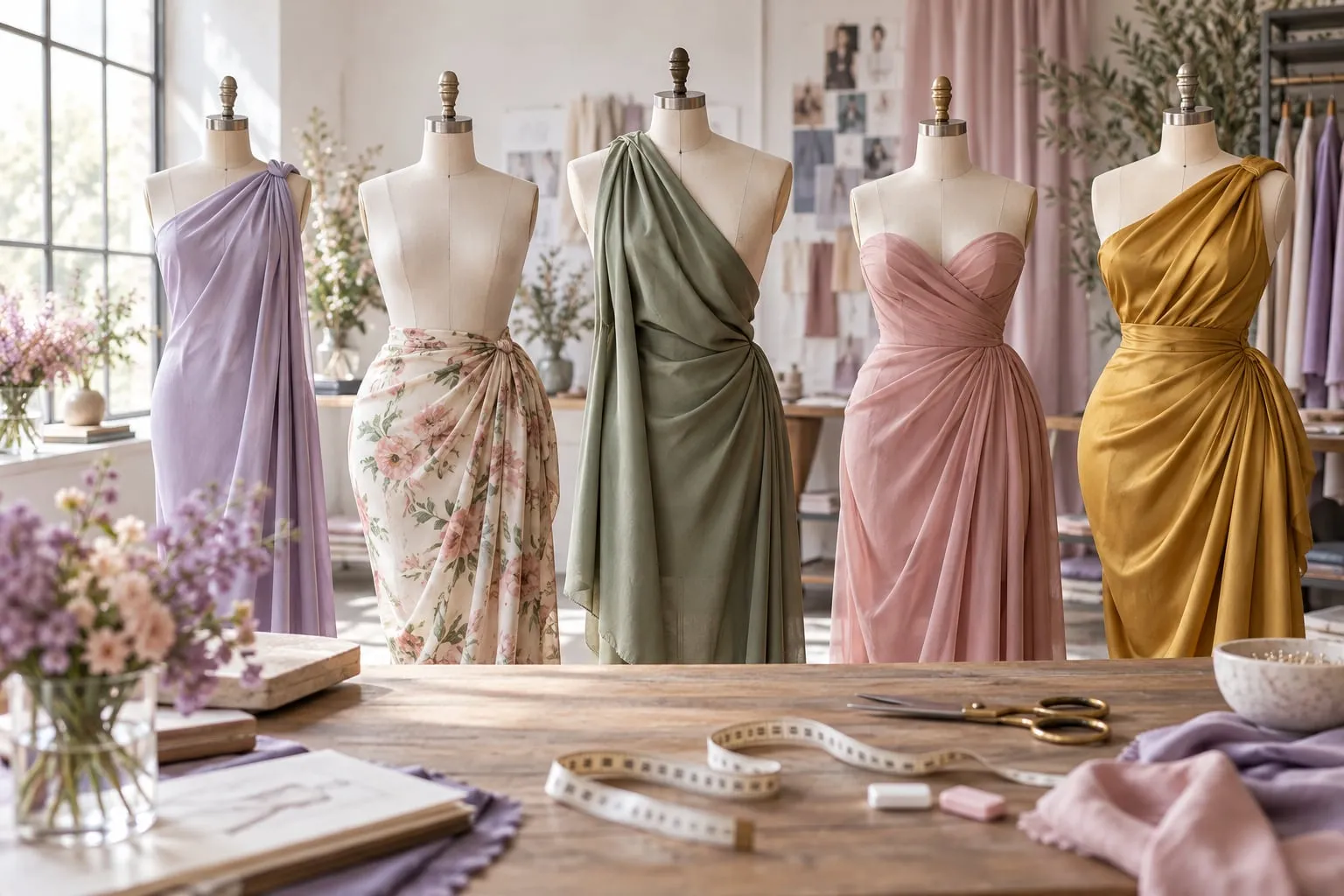
The jeans fit your hips but gape at the waist. The kurta fits your bust but pulls across the tummy. The blazer fits everywhere except the shoulders. You try the next size, then another brand, then another store, and eventually you reach the conclusion so many women reach in a trial room: “My body is the problem.”
It is not. And there is data to prove it.
The body the fashion industry imagined
Researchers at North Carolina State University analysed the body shapes of more than 6,300 women. Their findings surprised the industry:
- about 46% were rectangular, with little difference between waist and hips
- a little over 20% were spoon or pear shaped
- nearly 14% were inverted triangles, broader on top
- only 8% were hourglass
Yet, as the study’s lead researcher pointed out, most clothing manufacturers continued to design for the hourglass. In other words, most ready-made clothes are cut for a minority of bodies.
Quick question: which piece of clothing never fits you, whatever the brand? Hold that thought. By the end of this post, you will know why.
And Indian bodies were never in the chart
It gets worse closer to home. For decades, many Indian brands borrowed size charts built on European or American bodies. Only recently did the National Institute of Fashion Technology finish INDIAsize, India’s first national sizing survey. It used 3D body scanners on more than 26,000 people aged 15 and above across six cities, and produced 27 size charts, 13 of them for women.
So if “M” never quite fits you, remember what “M” was based on. It was often based on someone else’s body.
A word of caution about body shape labels
Pear, apple, rectangle and hourglass are useful shorthand. I use them in sessions too. But they are a starting point, not a verdict.
Even the research shows how slippery they are. A 2021 study of 1,679 body scans found that small differences in where measurements are taken could put the same body into a different shape category in up to 40% of cases.
So please do not spend another evening measuring yourself and worrying about which fruit you are. What matters is your proportions: where you are wider, where you are narrower, and how long your torso and legs are.
Dress your proportions, not a label
- Find your focal points. Notice your narrowest point and your favourite feature. Put details there: a neckline, a belt, a print or pockets. The eye goes where the detail is.
- Balance volume. Pair a wide or flowing piece with a fitted one. Wide palazzos with a close-fitting kurti. A structured blazer with slim trousers.
- Fit the hardest part first. Buy tops and kurtas to fit your shoulders and bust, because these are difficult to alter. Waists, sleeves and hems are easy.
- Make friends with a tailor. A small alteration turns a “nearly fits” piece into one that looks made for you. This is the single biggest secret of well-dressed women.
- Know your rise and length. In trousers and jeans, the rise often matters more than the size on the label.
How do you know something truly fits? Check three things in the trial room:
- The shoulder seam sits on your shoulder bone, not above it or halfway down your arm.
- Buttons and hooks lie flat, with no gaps pulling open across the bust or hips.
- There are no horizontal pull lines across your hips, tummy or back when you sit down.
If a piece passes these three, it fits your frame, whatever the label says.
Try this: stand in front of a mirror in fitted clothes. Where does your eye go first? That is either your best feature or the area you keep fighting. Either way, you now know where to place, or move, the details.
If you take one thing from this
Your body is not the wrong shape. The size chart was. When you stop trying to squeeze into a shape designed for 8% of women and start dressing your real proportions, clothes suddenly start working for you.
Tell me in the comments below: which piece never fits you? And if you want someone to read your proportions properly and build a shopping list around them, a body shape session does exactly that.
Research behind this post: Istook et al., North Carolina State University (2006); NIFT INDIAsize (2025); Parker et al. (2021), Ergonomics.
Your turn
Which piece of clothing never fits you, no matter which brand you try?
Share your experience or ask me a question. No login needed. I read every comment and reply to as many as I can.